
 Wildlife
of Singapore
Blue-and-white Flycatcher
Muscicapidae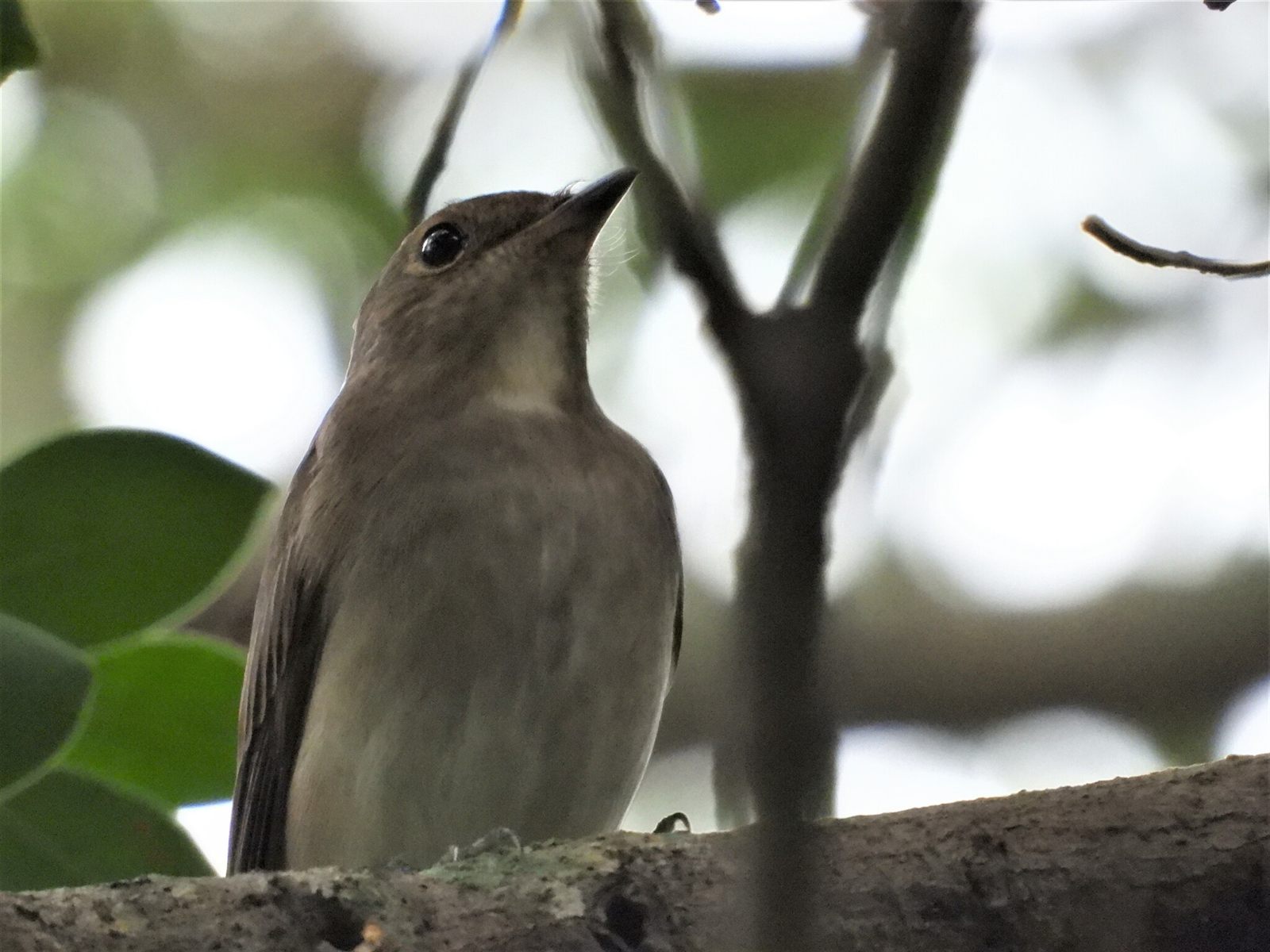
Photo: Stephen Matthews · CC0
Cyanoptila cyanomelana
Basic stats
Diet
Invertebrates
Habitat
Forest and plantation
Range
Breeds in Japan, Korea, parts of north-eastern China and the Russian Far East; winters in Southeast Asia
Clutch size
4–6 eggs
Incubation period
14–15 days, by the female alone
Size
16–17cm
Weight
25g on average
The blue-and-white flycatcher, also known as the Japanese flycatcher, is a large flycatcher, 16–17 cm long and 25 g on average, with a striking plumage pattern. The male is deep cobalt blue with black on the face down to the upper breast and flanks, the rest of the underside white, and a prominent white patch at the base of the outer tail feathers; immature males have the adult male's blue wings but are otherwise brown like females. The female is smaller on average, with the head, face and most of the upperparts grey-brown and pale beige-white on the lower middle throat (Wikipedia, general species account).
It is a migratory songbird that breeds in Japan, Korea and parts of north-eastern China and the Russian Far East, from late May to early August, and winters in South East Asia, especially Vietnam, Cambodia, Thailand, Sumatra and Borneo. The clutch is four to six eggs, incubated by the female alone for 14 to 15 days, and the song is a short, melancholic series of whistles (Wikipedia, general species account).
Quick answers
- What does the Blue-and-white Flycatcher eat?
- Invertebrates
- What habitat does the Blue-and-white Flycatcher live in?
- Forest and plantation
- Where is the Blue-and-white Flycatcher found?
- Breeds in Japan, Korea, parts of north-eastern China and the Russian Far East; winters in Southeast Asia
- How many eggs does the Blue-and-white Flycatcher lay?
- 4–6 eggs
- How long are the eggs of the Blue-and-white Flycatcher incubated?
- 14–15 days, by the female alone
- How big is the Blue-and-white Flycatcher?
- 16–17cm
- How much does the Blue-and-white Flycatcher weigh?
- 25g on average